Top / 06 Craft
What the great construction project left behind
The vast undertaking of building Toshogu left Nikko with more than buildings — it left behind the skills of the craftsmen who worked on it. Even the way a carving knife is held here runs opposite to other regions, and the way a simple tofu-based food is rolled marks it apart from Kyoto's version of the same dish.
Nikko-bori woodcarving
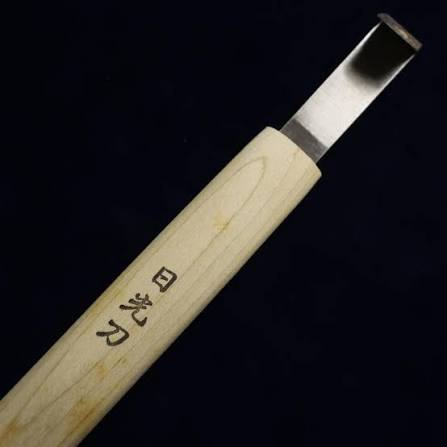
Nikko-bori is said to have originated in the early Edo period, when woodcarvers gathered from across Japan for Toshogu's construction began carving for pleasure in their spare time. Its defining feature is a technique called hikkaki. While most wood carving pushes the blade forward, Nikko-bori uses a specially shaped tool called a hikkaki-to that is drawn toward the carver instead.
This pulling motion produces the flowing, curved lines that define Nikko-bori's look. Pieces are finished with a lacquer technique called Nikko-tsuishu, which brings out the natural texture of the wood beneath a glossy surface. The skills that once brought life to Toshogu's carvings survived the building's completion and live on today as a craft for everyday objects.
Nikko's Yuba
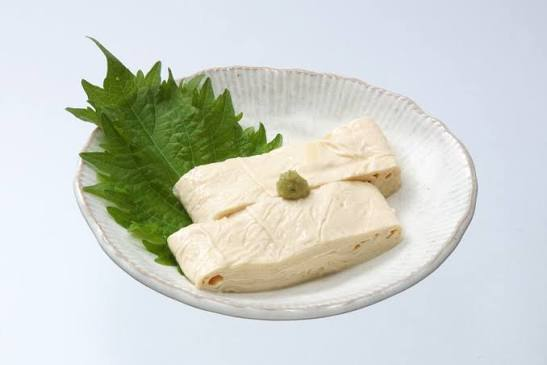
The delicate skin that forms when soy milk is simmered goes by the same pronunciation in Kyoto and Nikko, but is written with different kanji — a distinction that reflects a real difference in how it's made, not just spelling.
Lifted off one thin, delicate layer at a time. Used as a supporting player within a broader Kyoto meal.
Lifted off in a double layer for extra body. Served as the centerpiece of a dish — simmered, or eaten raw as sashimi-style slices.
The same soy milk, the same basic process, and yet the two traditions cast the ingredient in entirely different roles — a supporting actor in one city, the star of the show in the other. Nikko's insistence on its own character for "yuba" reflects real pride in that distinct food culture.
Nikko Cedar Avenue
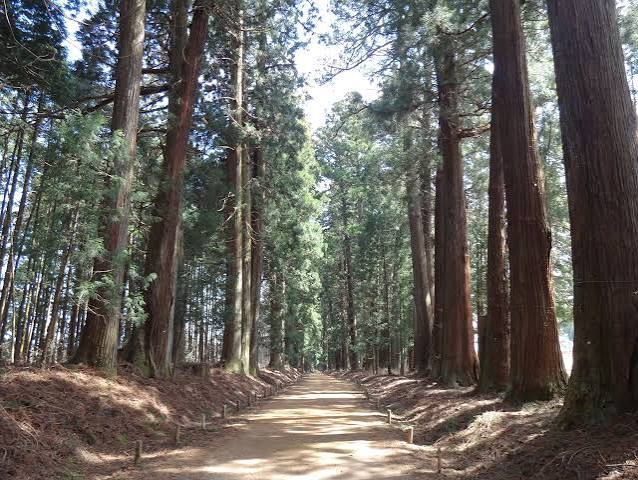
The area around Toshogu is still lined, almost as it was, with the Nikko Cedar Avenue — recognized by Guinness World Records as the world's longest tree-lined avenue. Split across three road sections, its total length comes to 35.41 kilometers, with roughly 12,500 cedars still standing. It was planted by Matsudaira Masatsuna, lord of Kawagoe domain.
Masatsuna wanted to repay a debt of gratitude for having served Ieyasu from a young age. When other feudal lords donated gold and valuables to Toshogu after Ieyasu's death, Masatsuna alone offered cedar saplings instead. He was mocked at first by other lords for donating "mere trees," but is said to have replied simply, "wait and see how this turns out." Over more than 20 years, he and his son Masanobu kept planting. More than 350 years later, this avenue stands as a gift on a scale that far outlasts anything gold or silver could have bought — a story that doesn't fit in a guidebook's single line about "a fine tree-lined road."
In closing
The inverted pillar of the Yomeimon Gate, the eight-panel story at the Sacred Stable, the sparrows behind the Sleeping Cat, and the still-unresolved debate over Ieyasu's tomb. Next time you visit Nikko, pause before you take the photo, and go looking for the "why."